
Pico Island at a glance
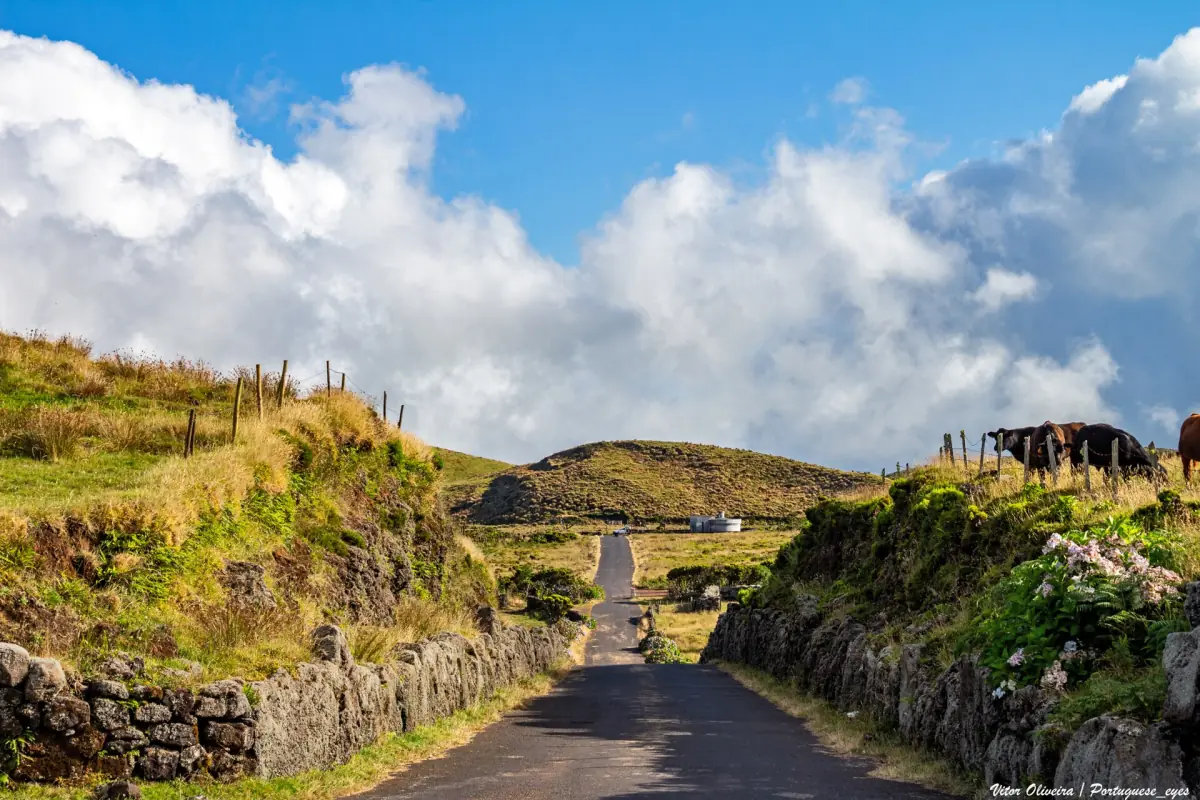
Pico belongs to the central group of the Azores, together with Faial, São Jorge, Terceira and Graciosa. The volcano rises to 2,350 m. In its summit crater stands a small cone called the Piquinho, with fumaroles. The rest of the island is a mix of green pasture, stone walls and small vineyards.
Most visitors come for one of three things: the Pico hike, the vineyard landscape or whale watching. Whale trips leave from Madalena, which is also the ferry port for Horta on Faial. If you are still choosing between islands, whale watching in the Azores shows how Pico compares with São Miguel.
Our picks: tours on Pico
The mountain climb is a long, strenuous day for fit walkers only. Everyone else should look at the whale boat from Lajes or the island tour, which is a drive and not a climb.
Hand-picked tours, booked through GetYourGuide and Viator. Prices are indicative starting prices in euros (as of October 2026). Tap a tour for live availability and the current price in your currency.
Pico island grand tour
- Live guide
- Pickup at your lodging
- Accident insurance
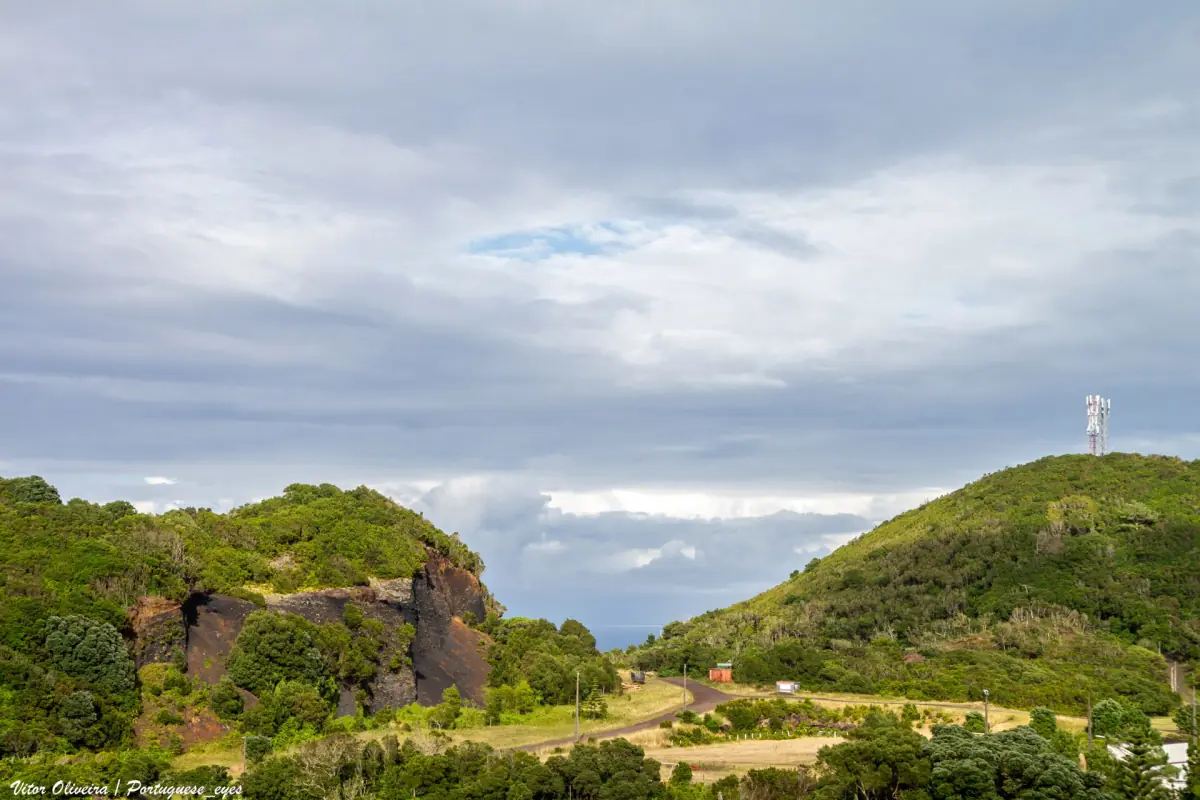
A seven-hour guided day across Pico with its vineyard landscape and volcano scenery. This is a sightseeing drive, not the summit climb.
Check availability →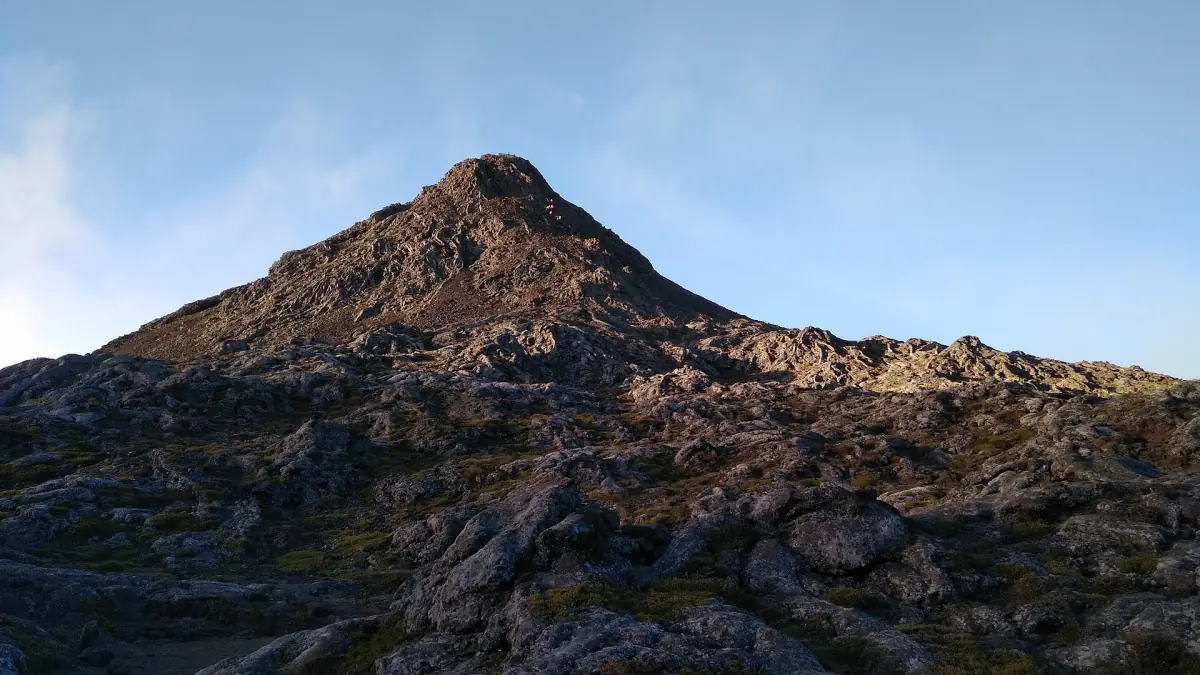
Pico mountain climb to 2,351 m
- Guide and walking poles
- GPS tracker
- Summit certificate
The climb to Portugal's highest point is a long, demanding day, so it is not a casual walk. Fees and taxes are covered.
Check availability →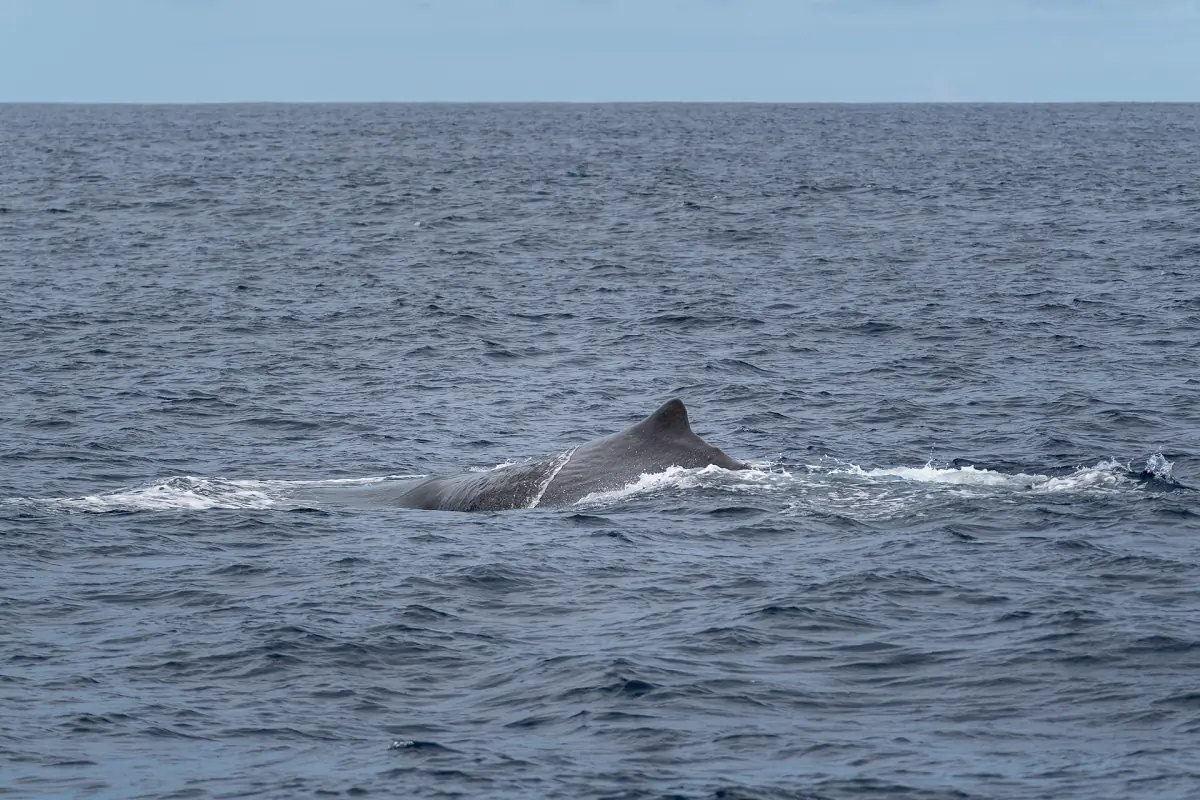
Whale watching from Lajes do Pico
- Marine biologists on board
- Safety briefing
- Life vest, rain gear if needed
A three-hour boat trip from the old whaling port of Pico. Sightings depend on the sea and the season, so nothing is certain.
Check availability →Pico tours and whale watching trips
Whale watching, island tours and wine experiences on Pico, with live prices and availability.
Climbing Mount Pico
The climb needs registration at the Casa da Montanha and a GPS device. You can reserve in advance on the regional mountain portal. Registration, weather clearance and available capacity decide whether a climb goes ahead, so allow a spare day if you can.
Fees in 2026 for independent climbers are €5 for the Furna Abrigo, €15 for the crater and €25 for the Piquinho. Staying overnight in the crater costs €10 extra. Residents climb for free. Treat these as rates to check when you book, since the fees can be updated.
On a guided climb, one recognised mountain guide may lead up to 12 guests. Non-resident visitors who start outside the opening hours of the mountain house need an authorised provider. Time at the Piquinho is limited, so plan to descend in good daylight.
The Pico vineyard landscape
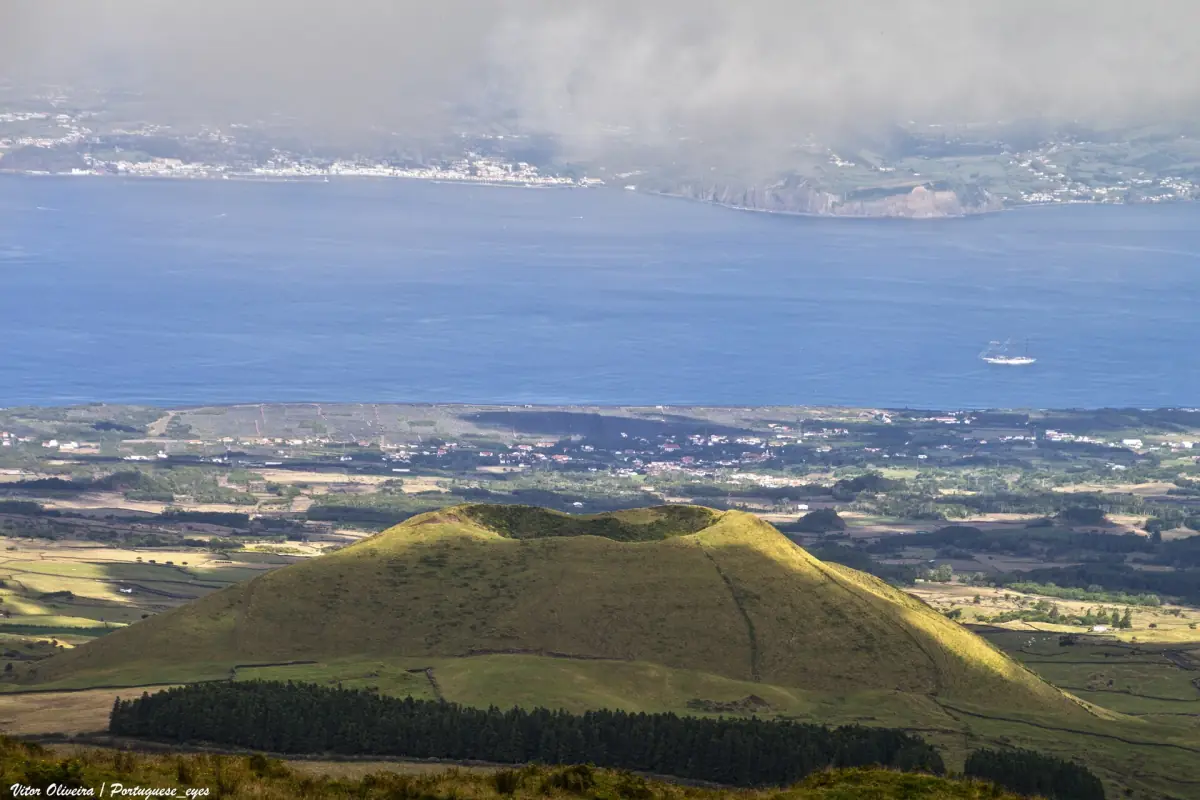
The Landscape of the Pico Island Vineyard Culture became a UNESCO World Heritage Site in 2004. The protected core covers 987 ha. Small plots, called currais, are enclosed by stone walls that shelter the vines from wind and salty sea air. The listing protects this cultural landscape, not the whole island.
You can see the walls on a drive along the coast, and many island tours stop in the vineyards. For a view over fields and sea without the climb, the green hills inland are a calm alternative on a day when the summit is in cloud.
Whale watching from Madalena
Madalena is a ferry port with a link to Horta and a base for boat trips. Sperm whales are seen all year and are more frequent in summer. Blue, fin and sei whales mostly pass in April to June. Dolphins are another possibility. No operator can promise a sighting.
A whale trip from Madalena costs about €79 for adults and €50 for children, or €70 per adult from four adults. Dolphin swimming costs about €94 for adults and €60 for children, or €83 per adult from four adults. Check the current rates before you book. Swimming with whales is not allowed. The full rules are on our whale watching page.
Getting to Pico and between the islands
Pico has its own airport, code PIX, so check the current timetable for flights from Ponta Delgada before you plan. Do not mix it up with Terceira (TER) or Horta (HOR). Madalena is the ferry port, not the airport.
The Horta to Madalena ferry takes 25 to 30 minutes. Be at the harbour at least 30 minutes before departure. Fares for adults apply from age 13, and children from 3 to 12 pay the child class. Sea conditions change the schedule, so check the day before you travel.
For more on the other islands read the islands comparison, and plan the base island with São Miguel in our itinerary. The best time to visit depends on whether you come for whales, walking or vineyards.
Pico: frequently asked questions
How high is Mount Pico?
2,350 m. The summit crater holds the Piquinho, a small cone with fumaroles.
Do you need to register to climb Pico?
Yes. Climbers register at the Casa da Montanha and need a GPS device. You can reserve in advance on the regional mountain portal.
How much does the climb cost?
In 2026 independent climbers pay €5 for the Furna Abrigo, €15 for the crater and €25 for the Piquinho, plus €10 to stay overnight in the crater. Residents are free. Check the fees when you book.
Can you swim with whales on Pico?
No. Swimming with whales is not allowed. Swimming with dolphins is only possible on regulated trips, and a sighting is never guaranteed.
How do you get from Faial to Pico?
Take the ferry from Horta to Madalena. The scheduled time is 25 to 30 minutes.