
Azores history in brief
The Azores belong to Portugal and consist of 9 islands in three groups. The east has São Miguel and Santa Maria, the centre has Terceira, Graciosa, São Jorge, Pico and Faial, and the west has Flores and Corvo. The islands were settled from the 1400s, and today you can read that past in towns such as Angra do Heroísmo and Ponta Delgada.
Many visitors meet this history on a walk through town or on a boat trip. See Ponta Delgada for the city gates, and whale watching for how the former whaling coast works today.
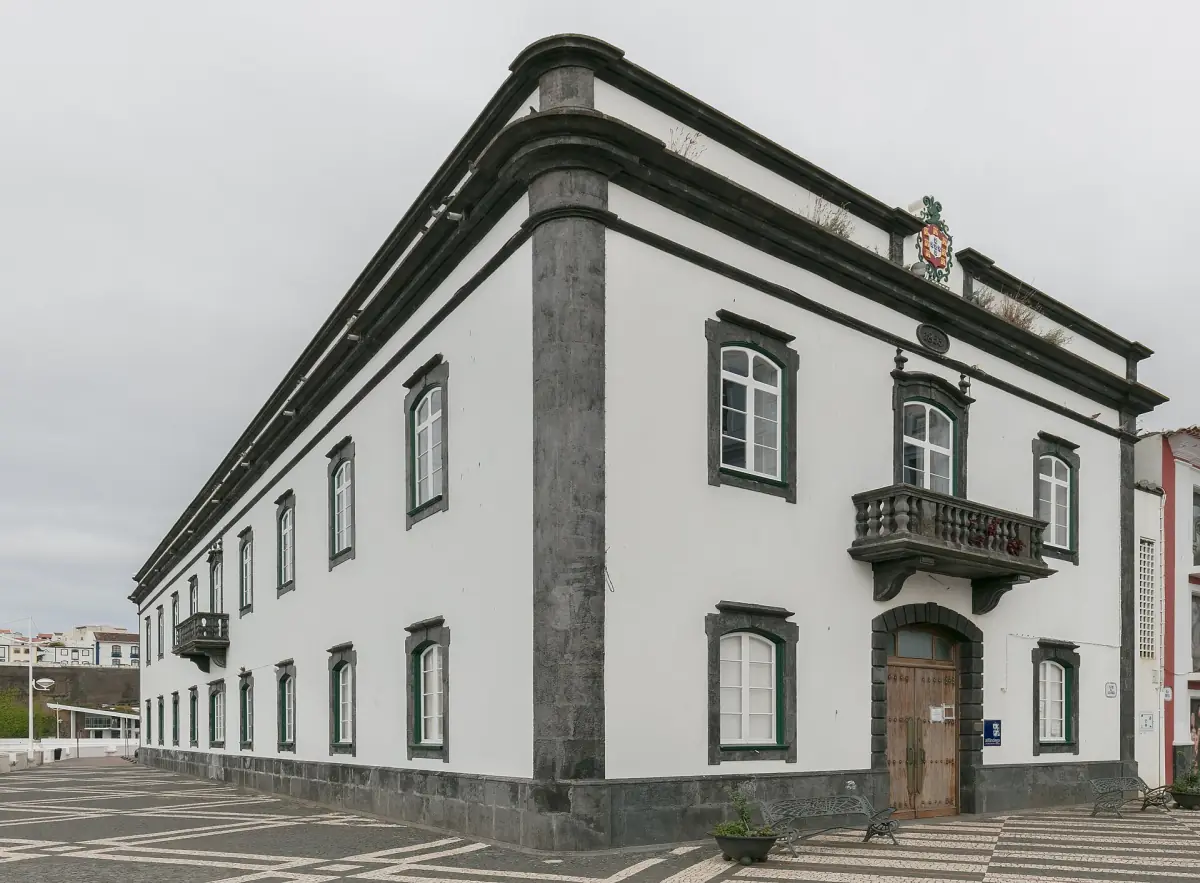
Our pick: historical walk through Ponta Delgada
A guided walk through the old town of the island's main city, with entry to the listed sights included.
Hand-picked tours, booked through GetYourGuide. Prices are indicative starting prices in euros (as of October 2026). Tap a tour for live availability and the current price in your currency.
Tours with a history angle
Day trips, boat trips and walks across the islands, with live prices and availability.
Azores history: discovery and settlement
The early dates are likely years, not final proof.
1427: first islands
The likely year in which Diogo de Silves found the first islands. It is not a statement about who first set foot there.
1439: settlement
The Portuguese crown gave permission to settle seven islands.
1452: Flores and Corvo
Diogo de Teive reached Flores and Corvo. Today both lie in the far west of the archipelago, described on the islands page.
1976: autonomy
The autonomous region with its own government and assembly was created, tied to the Portuguese constitution of that year.
World Heritage and landscape
Two places stand out, and neither marks a founding date.
Angra do Heroísmo, since 1983
The central historic zone is a UNESCO World Heritage site. The harbour lay on intercontinental sea routes, and the forts of São Sebastião and São João Baptista guarded it. The listing covers the old town, not the whole island of Terceira.
Terceira guide →Pico vineyards, since 2004
The Pico Island Vineyard Culture covers 987 ha. Stone walls shelter small plots from wind and salt air. The protected area is the cultural landscape, not the whole island.
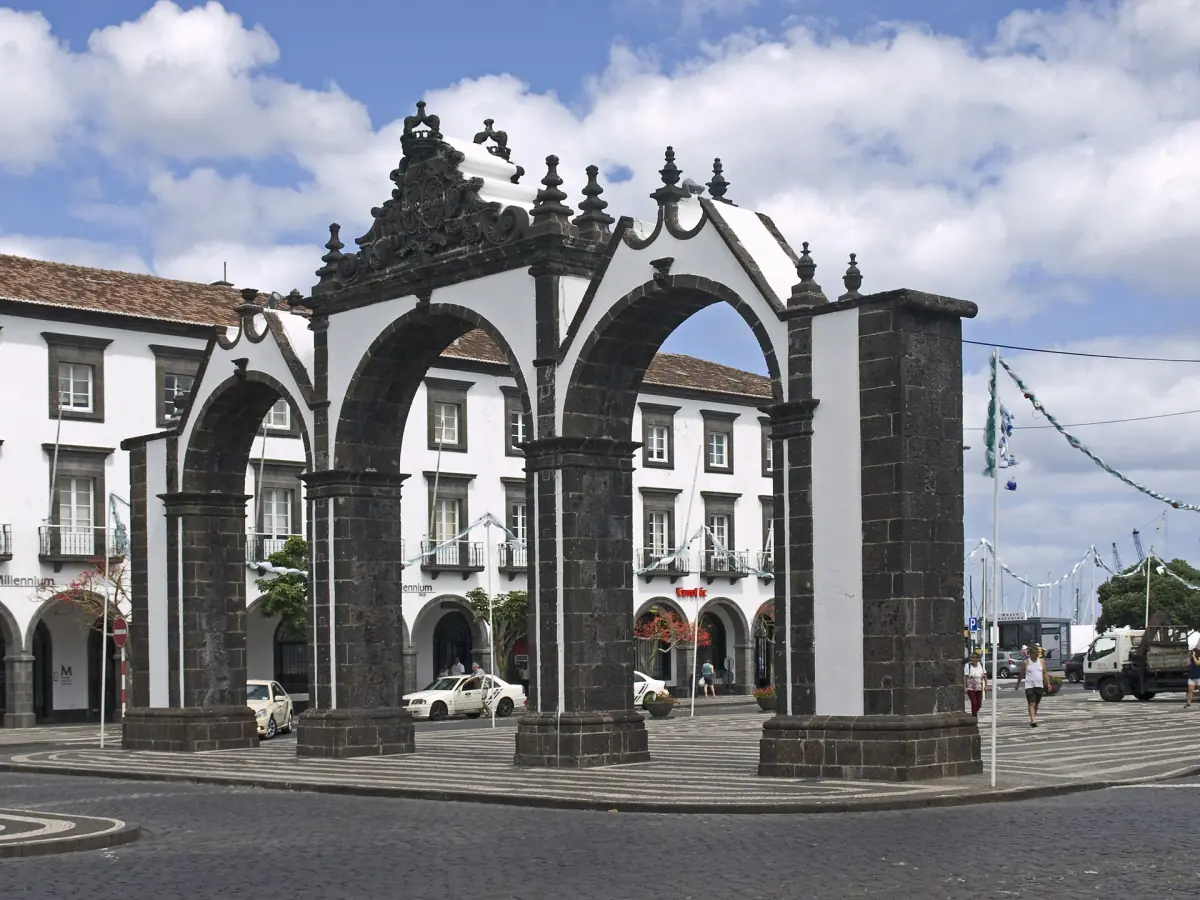
Pico guide →Ponta Delgada city gates
The gates have 3 arches. They once stood at the old quay and were later moved to Praça Gonçalo Velho Cabral. They date from the 18th century.
Portas do Mar, a recent chapter
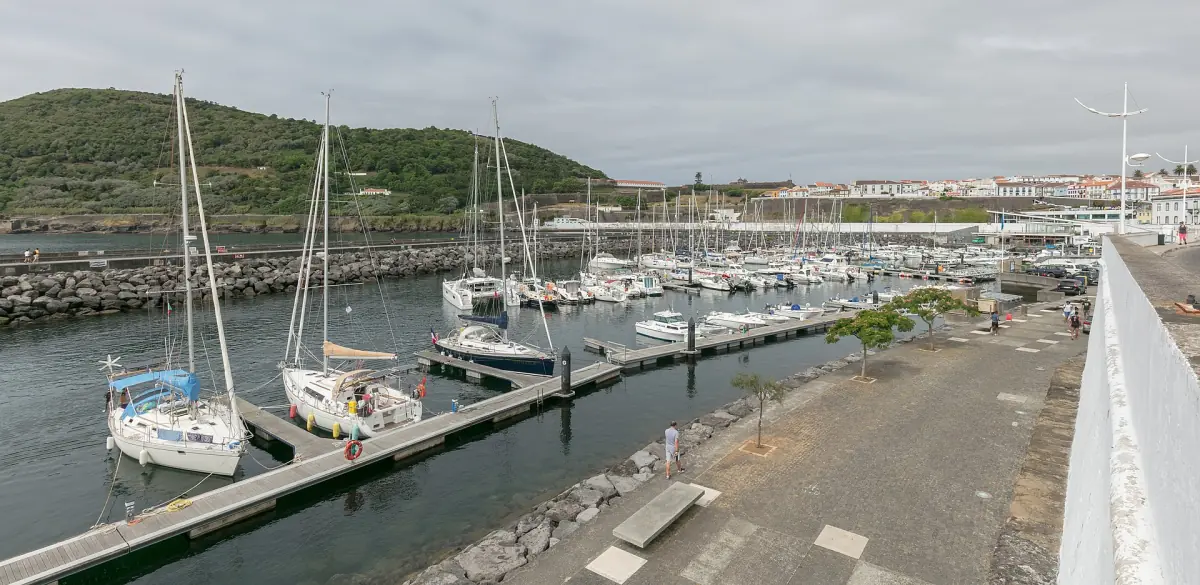
The Portas do Mar harbour area, with its passenger terminal, cruise quay, marina and promenade, opened on 5 July 2008. It was run privately until 2022 and has since been managed by the port operator. It is not the same as the city gates, Portas da Cidade.
Capelinhos on Faial
Capelinhos formed during the eruptions of 1957 to 1958.
Whaling past and emigration
The sea shaped life here, and then it shaped the way out.
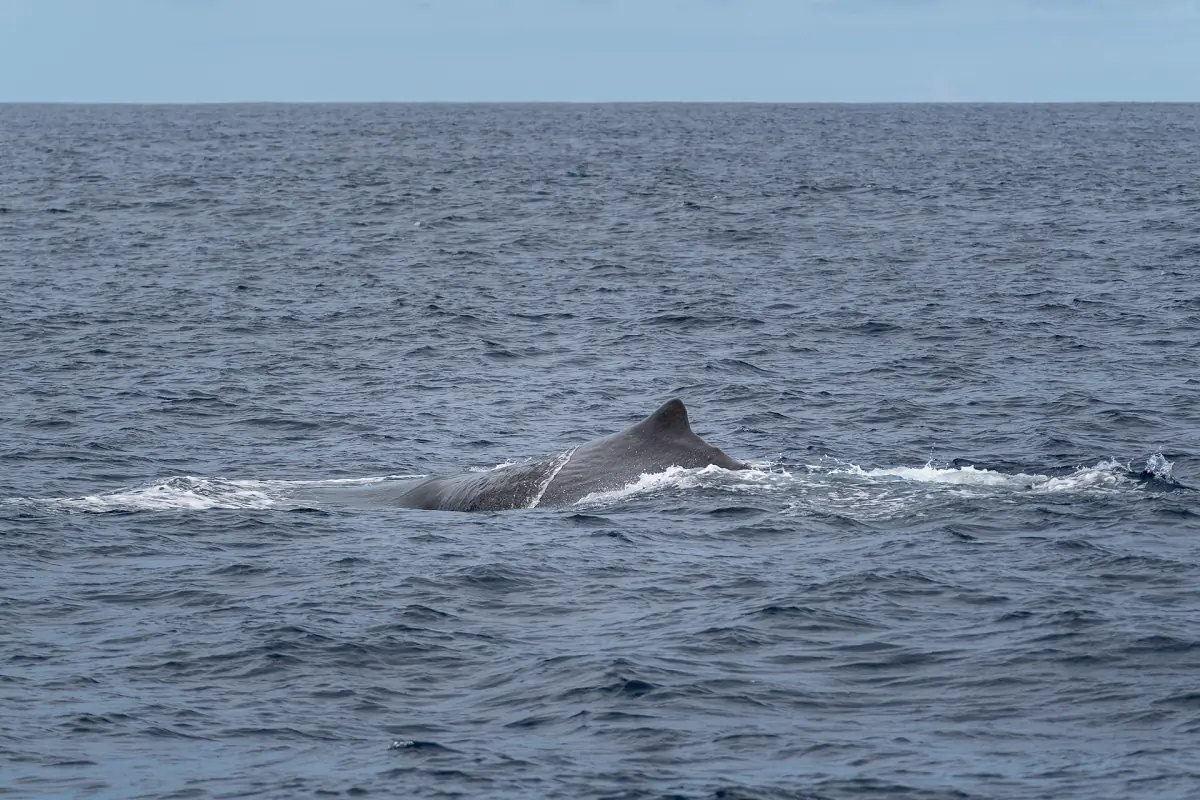
Whaling is part of the islands' past and ended in the 1980s. Today the same waters are used for regulated whale watching, which has strict distance rules, described in the whale watching guide.
Many islanders emigrated. The US National Park Service links Azorean immigrants to the whaling and industrial history of New Bedford in New England. In Brazil, the first organised arrival came in 1748 in a place then called Nossa Senhora do Desterro, now Florianópolis. This does not mean those settlers founded the city.
Plan the rest of your trip
Places to see the story.
Azores history: frequently asked questions
When were the Azores discovered?
A likely date for the first islands is 1427, credited to Diogo de Silves. Settlement was allowed from 1439, and Flores and Corvo followed in 1452.
When did whaling end?
Whaling ended in the 1980s.
Which Azores sites are UNESCO World Heritage?
The historic centre of Angra do Heroísmo, inscribed in 1983, and the Pico Island vineyard landscape, inscribed in 2004.
When did the Azores become autonomous?
In 1976, with their own government and assembly.
Why do the Azores have links to New England and Brazil?
Many islanders emigrated. New Bedford and Florianópolis are two places tied to those journeys.